






The influence of ancient Greek culture remains profoundly embedded in contemporary society, shaping everything from entertainment to cultural celebrations. Greek mythology and philosophy, with their timeless narratives and moral lessons, continue to inspire modern interpretations, ensuring that their legacy endures across centuries. This article explores how ancient Greek themes are woven into modern games and festivities, illustrating their continued relevance and educational value.
1. The Enduring Influence of Ancient Greek Culture in Modern Society
Ancient Greece laid the foundations of Western civilization, influencing art, politics, philosophy, and storytelling. Greek myths, featuring gods like Zeus and heroes such as Hercules, are not just stories but symbols of human virtues, flaws, and universal truths. Their allegories and moral lessons have persisted, shaping narratives in literature, film, and even branding.
Today, Greek themes serve as cultural touchstones that connect modern audiences with a shared heritage. Celebrations like the Olympic Games, originally rooted in Greek athletic festivals, exemplify how ancient practices are reimagined in modern contexts, fostering global unity and cultural pride.
The purpose of examining these themes through contemporary mediums—such as games and festivals—is to both educate and entertain, ensuring that the rich heritage of Greece remains accessible and engaging for new generations.
2. The Foundations of Greek Mythology and Their Cultural Legacy
Greek mythology features a pantheon of gods—like Athena, Apollo, and Poseidon—and legendary heroes such as Achilles and Odysseus. These figures embody human virtues and vices, offering moral lessons that have influenced Western storytelling for millennia.
Myths often serve as allegories for natural phenomena, societal values, and ethical dilemmas. For example, the myth of Icarus warns against hubris, while the story of Perseus emphasizes bravery and ingenuity. These stories are rich in symbolism, reinforcing cultural ideals and moral codes.
Over the centuries, these themes have evolved but remained central to cultural identity. Their adaptations in art, literature, and media demonstrate the enduring power of Greek mythic narratives.
3. Modern Interpretations of Greek Themes in Popular Entertainment
Greek myths are frequently reimagined in contemporary media. Films like Clash of the Titans or the Marvel adaptation of Hercules exemplify how these stories are adapted for new audiences, often blending classical elements with modern storytelling techniques.
In literature, authors such as Rick Riordan have popularized Greek myth-based series like Percy Jackson, which introduces young readers to gods, monsters, and heroism through engaging narratives. Television series, comic books, and even video games incorporate Greek symbolism, making mythological themes accessible and appealing.
Moreover, Greek symbolism has been integrated into branding and media campaigns, subtly evoking notions of heroism, wisdom, and power. For instance, athletic brands often use mythological imagery to associate their products with excellence and endurance.
4. Greek Themes in Modern Gaming: An Overview
Video games have become a powerful medium for exploring Greek mythology. From early titles that incorporated mythic creatures to current triple-A titles centered around gods and heroes, the integration of Greek themes has enriched storytelling and gameplay.
Historically, games like God of War brought Greek mythos into mainstream gaming, blending mythological characters with action-adventure mechanics. Today, mythological themes continue to captivate players, often serving as a backdrop for immersive worlds and complex narratives.
The significance of these themes lies in their universal appeal—stories of gods, monsters, and heroes resonate across cultures, enhancing player engagement and educational value.
5. Case Study: Le Zeus – A Modern Game Embodying Greek Mythology
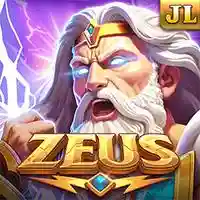
Le Zeus exemplifies how contemporary game design can embody Greek mythological principles. As an interactive experience, it immerses players in the world of gods, symbols, and legendary tales, serving both entertainment and educational purposes.
The game’s concept revolves around the king of gods, Zeus, and integrates classical symbols such as lightning bolts, the eagle, and Mount Olympus. It draws narrative inspiration from myths of divine power, heroism, and moral choices, providing players with a deeper understanding of Greek culture through gameplay.
If you are interested in exploring these themes interactively, you can discover more about mythologically inspired games like le zeus free, which offers a modern interpretation of ancient principles.
6. The Evolution of Gaming: From Early Digital Innovations to Mythology-Based Slots
The history of digital gaming began with innovations like Fortune Coin’s first video slot in 1976, which marked the transition from mechanical to electronic gambling devices. Over time, developers began to incorporate more complex themes, including mythology, to appeal to broader audiences.
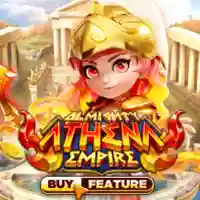
Modern mythologically themed slots, such as those inspired by Greek legends, leverage high-quality graphics and storytelling to enhance player engagement. These games often feature symbols like gods, mythic creatures, and legendary artifacts, creating an immersive experience that educates as well as entertains.
Unconventional characters and narratives, like those created by Hacksaw Gaming, demonstrate how creative storytelling continues to evolve within the gaming industry, blending entertainment with cultural education.
7. Celebrations and Cultural Events Inspired by Greek Heritage
Modern festivals, such as Greek cultural festivals and reenactments of ancient Olympic Games, celebrate Greek heritage by highlighting mythology, history, and arts. These events often include theatrical performances, athletic competitions, and educational workshops that bring Greek culture to life.
Contemporary celebrations like the Olympic Games are rooted in ancient Greek traditions, emphasizing ideals of excellence, unity, and respect. Many cultural festivals incorporate mythological themes, dressing participants as gods or heroes, and retelling ancient stories through performances.
Educational initiatives during these events promote understanding of Greek history, fostering appreciation for the origins of Western civilization and inspiring future generations.
8. The Role of Greek Mythology in Shaping Modern Entertainment and Leisure Activities
Mythological themes significantly enhance storytelling in modern entertainment, adding depth and familiarity to narratives. Whether in video games, movies, or festivals, Greek myths provide a rich palette of characters and stories that resonate universally.
Interactive media like slot games not only entertain but also serve as educational tools, introducing players to Greek mythology’s symbols and morals in an engaging manner. For example, the use of mythic symbols in slot games can teach players about the attributes of gods like Zeus or Athena.
Maintaining these ancient themes in leisure activities preserves cultural heritage and fosters a sense of continuity between past and present, enriching the social fabric.
9. Non-Obvious Perspectives: Deepening the Connection Between Ancient and Modern
Beyond surface-level storytelling, Greek myths serve as archetypes in modern psychology and art. Carl Jung identified mythic motifs as fundamental to human consciousness, influencing contemporary media and fashion.
Greek themes inspire modern art and design, from classical-inspired sculptures to fashion collections that evoke mythic imagery. These creative expressions demonstrate how ancient symbols continue to influence aesthetic trends.
Looking ahead, emerging technologies such as virtual reality and augmented reality are poised to further incorporate Greek mythology, offering immersive educational experiences that blend history, myth, and technology seamlessly.
10. Conclusion: The Continual Relevance of Greek Themes in Modern Culture
The enduring appeal of Greek mythology in modern games and celebrations underscores their universal relevance. These themes serve as educational tools, cultural symbols, and sources of entertainment, bridging past and present in meaningful ways.
As technology advances, so does the potential for Greek stories to reach wider audiences through innovative formats. Whether through digital games, cultural festivals, or interactive media, the ancient Greek heritage continues to inspire and educate.
“Ancient Greek myths are not merely stories of the past—they are narratives that shape our understanding of human nature and continue to inspire modern creativity.”
Encouraging further exploration into Greek heritage ensures these timeless themes remain vital, enriching our cultural landscape for generations to come.